BrainSomnia is a five-year research project funded by the European Research Council through an ERC Consolidator Grant. With a budget of approximately €2 million, the project address a frontier question in brain health: how can vascular pulsations during sleep help the brain to clear wastes, and can this process be used to prevent neurodegenerative disease?
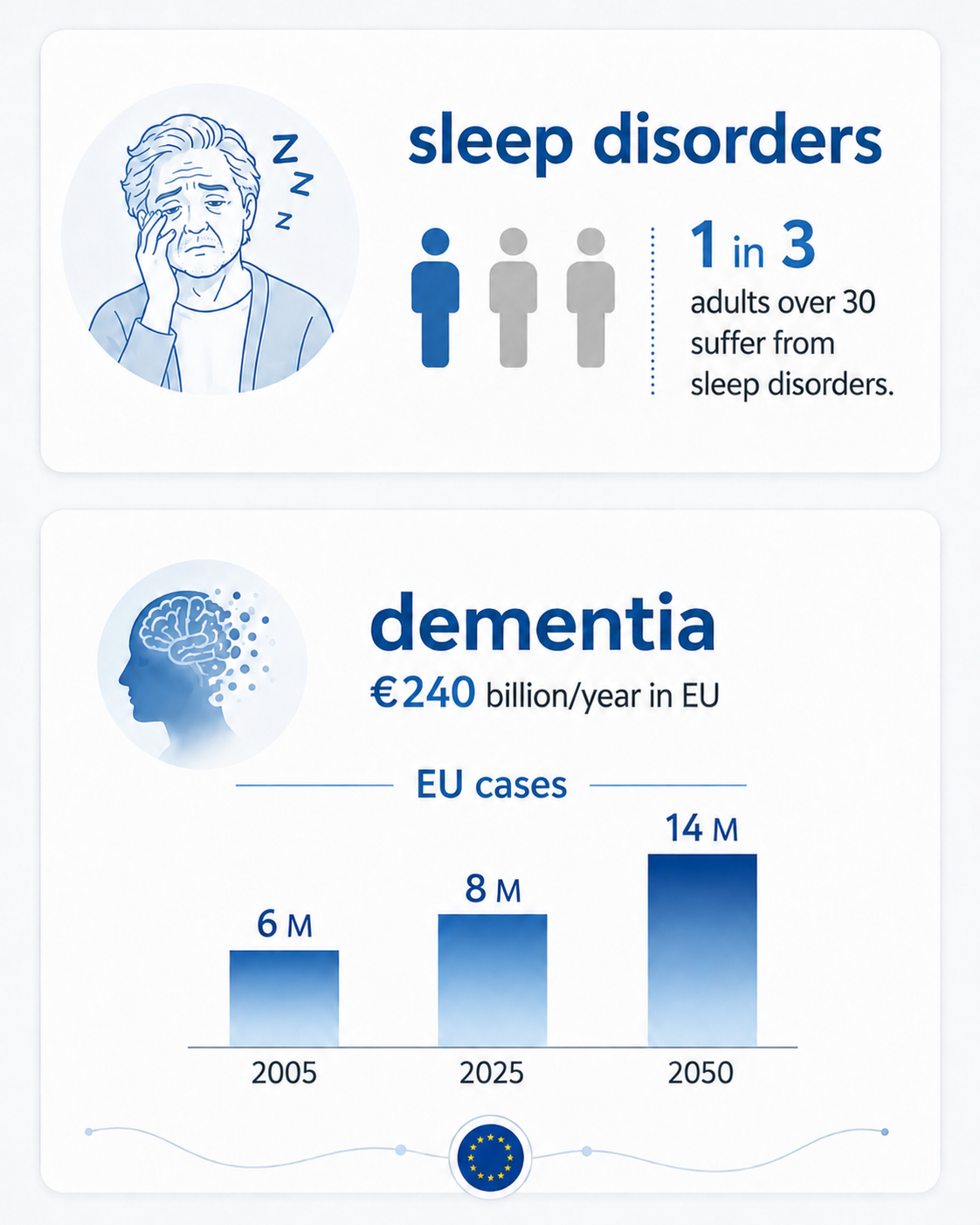
Dementia is one of the major health challenges of ageing societies. It is the advanced stage of neurodegenerative diseases such as Alzheimer’s disease, leading to severe cognitive and physical decline and, ultimately, a loss of autonomy. In the European Union, around 8 million people are currently living with dementia, a number expected to reach 14 million by 2050. The societal cost is estimated at €240 billion per year, placing a major burden on patients, families, caregivers, and healthcare systems.
Despite recent progress, there is still no cure for dementia. Most patients are diagnosed when brain damage is already advanced, making prevention and early risk detection essential.
Sleep is emerging as an important and potentially modifiable risk factor. Poor sleep quality affects more than half of people over 60 and has been associated with an increased risk of dementia, up to 53% in some studies. Yet the biological and physical mechanisms explaining this link remain poorly understood.
Recent discoveries suggest that sleep may help the brain clear neurotoxic proteins involved in neurodegenerative diseases. This opens an important possibility: if sleep supports brain clearance, then sleep disorders may impair this protective function. Because sleep problems affect a large part of the population, understanding and targeting this mechanism could have a broad impact on dementia prevention.
BrainSomnia addresses this question by investigating how vascular pulsations during sleep may mechanically drive brain clearance, and how these processes could be measured, understood, and eventually used to improve brain health.

BrainSomnia aims to understand how sleep helps the brain remove neurotoxic proteins involved in neurodegenerative diseases, such as Alzheimer’s disease.

The project focuses on the role of blood vessel pulsations during sleep. These pulsations may act as mechanical forces that facilitate the transport of waste molecules through and around the brain.
The main objectives are to understand how these forces influence brain transport, identify the vascular pulsation patterns that best support brain clearance, assess their long-term impact on neurotoxic protein accumulation, and lay the foundations for a non-invasive tool to estimate brain clearance efficiency in humans.
BrainSomnia combines physics, experiments, and sleep measurements to understand how the brain may clear waste during the night.
The project will develop mathematical models based on physical laws to describe how slow vascular pulsations during sleep influence the transport of molecules in the brain.
These models will be tested in brain-like systems made of soft gels and microfluidic devices that reproduce vessel-like pulsations.
Vascular activity will also be measured during sleep in animal models and humans, providing real data to feed into the simulations.
The predictions will then be compared with markers of brain health and neurodegenerative disease, to test whether altered vascular pulsations are part of the link between poor sleep, reduced brain clearance, and dementia risk.
By combining physics, neuroscience, and clinical research, BrainSomnia will provide new tools to understand how sleep protects the brain, and how this protection may fail in ageing and disease.
If the project confirms that vascular pulsations during sleep help the brain remove toxic proteins, BrainSomnia will highlight a new marker of brain health and a new target for intervention.
The project could support earlier detection of dementia risk, especially in people with sleep disorders, before cognitive symptoms appear.
It could also guide future therapies designed to restore or enhance brain clearance during sleep, for example through non-invasive stimulation of vascular activity.
Help us understand how sleep protects the brain: we will measure vascular pulsations during sleep and markers of brain health to explore the link between sleep, brain clearance, and dementia prevention.
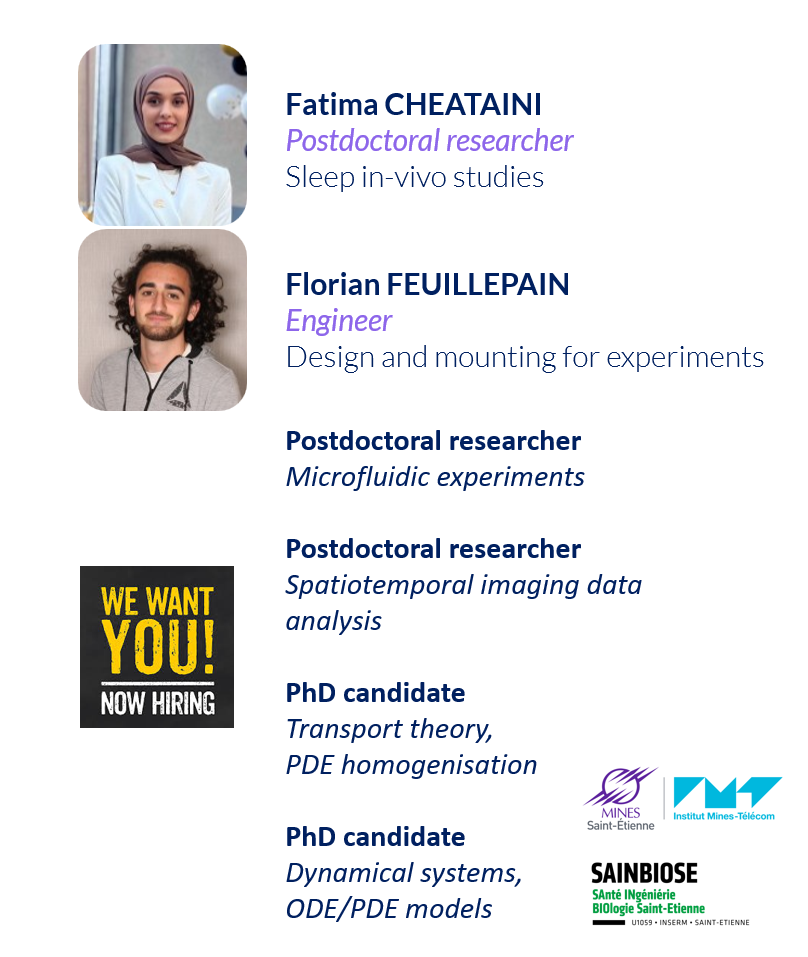
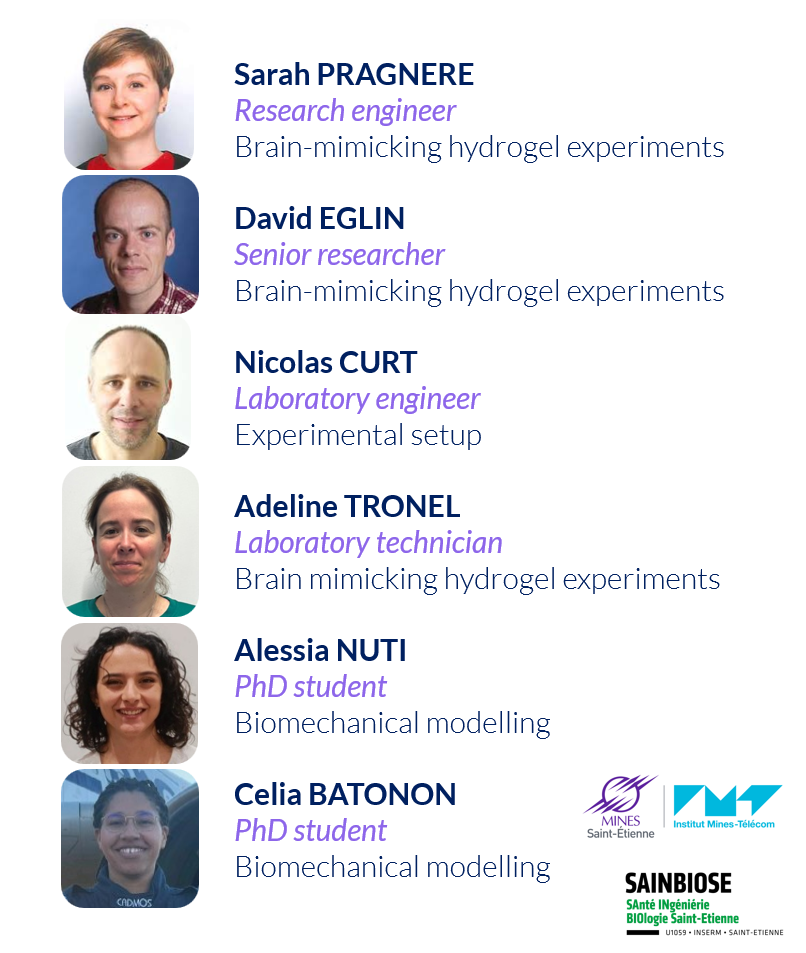
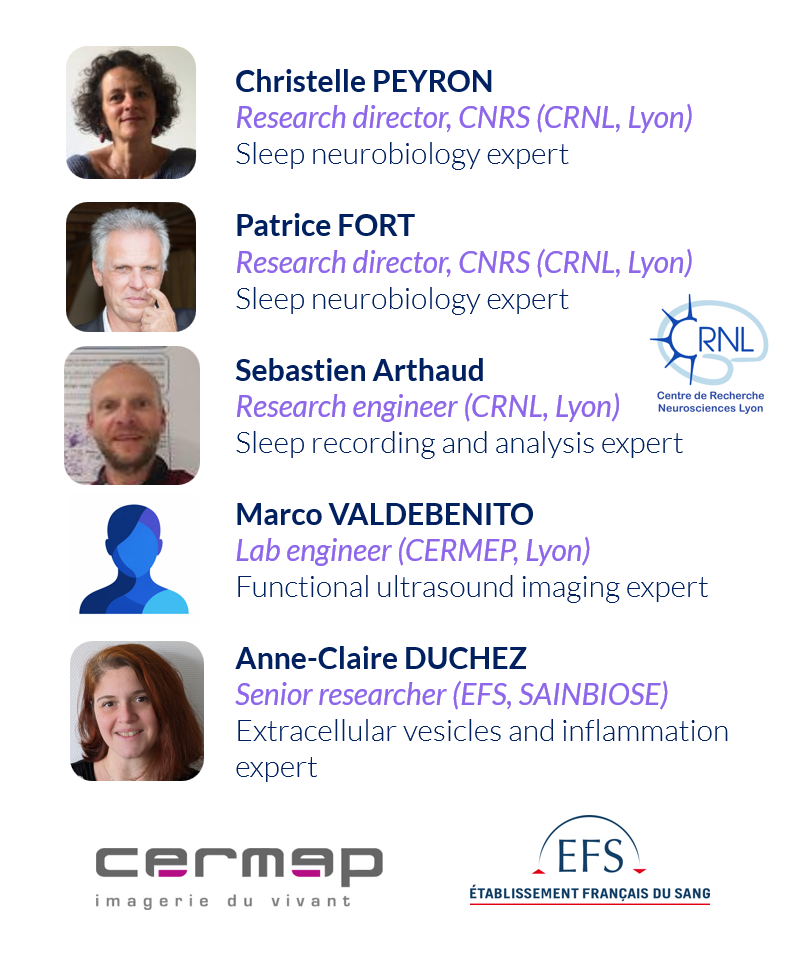
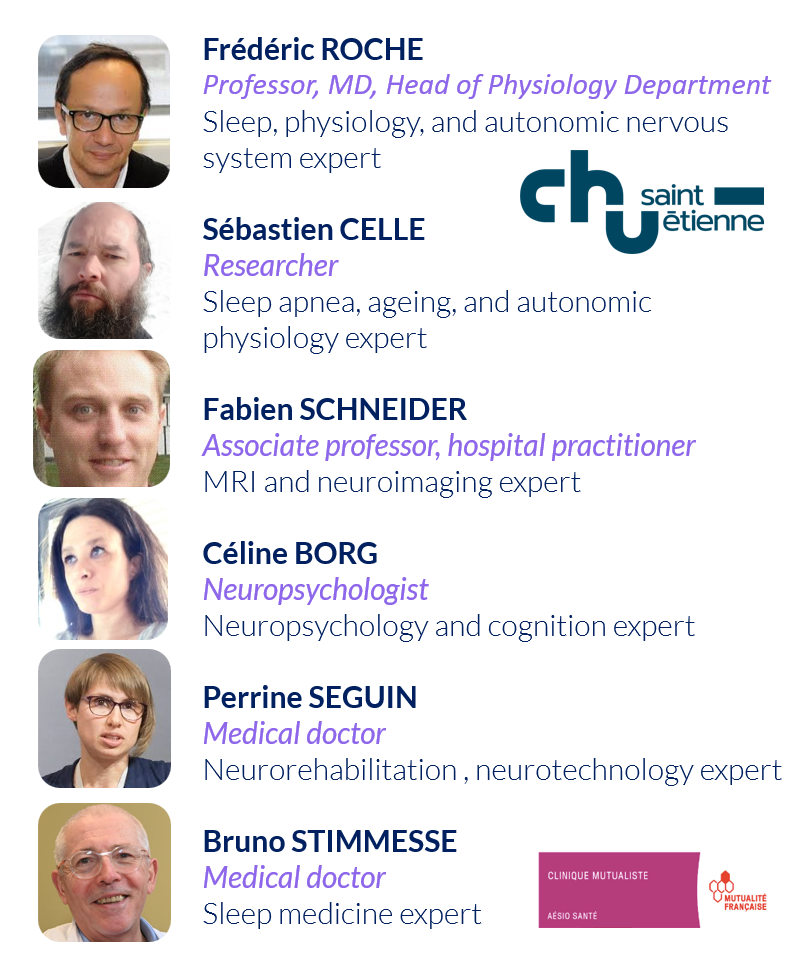
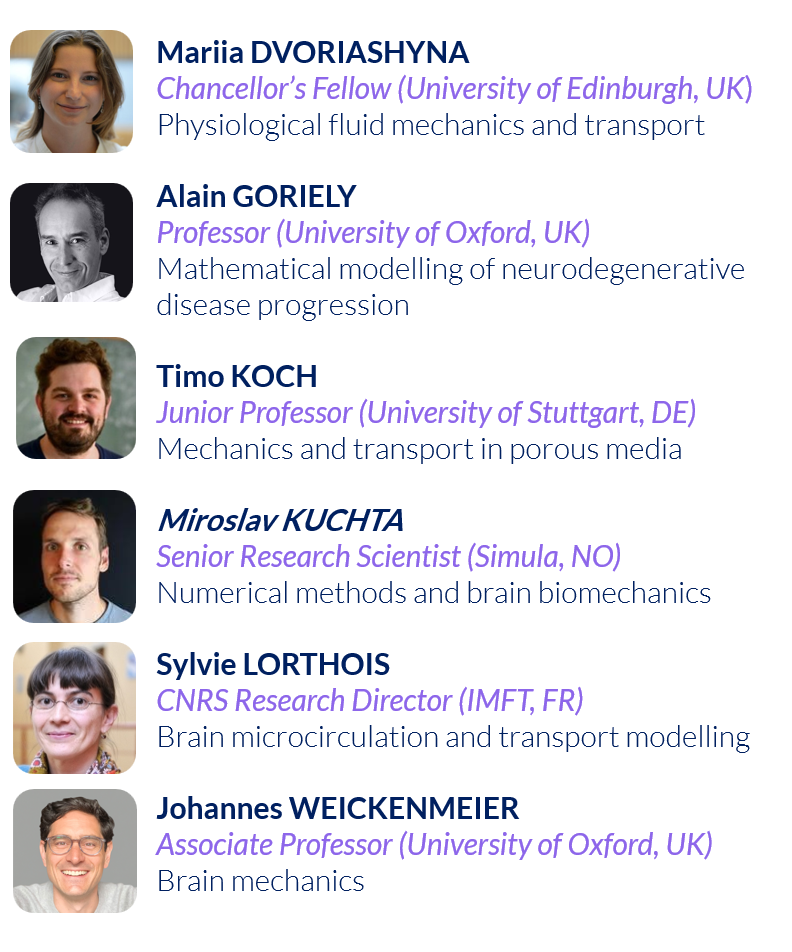
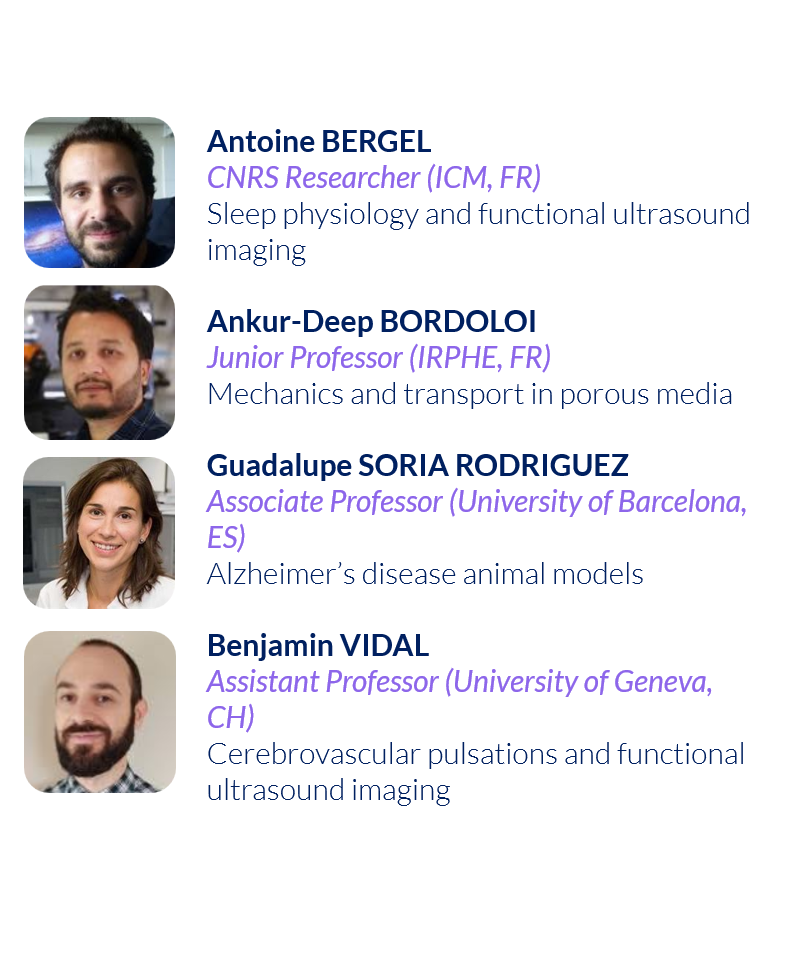
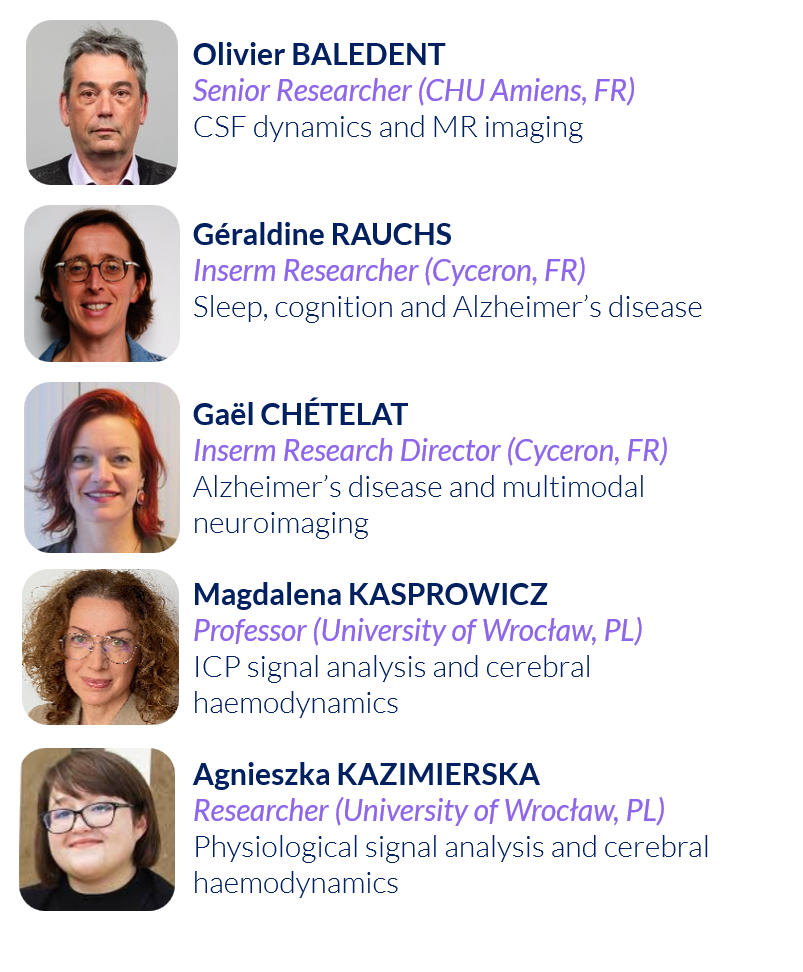
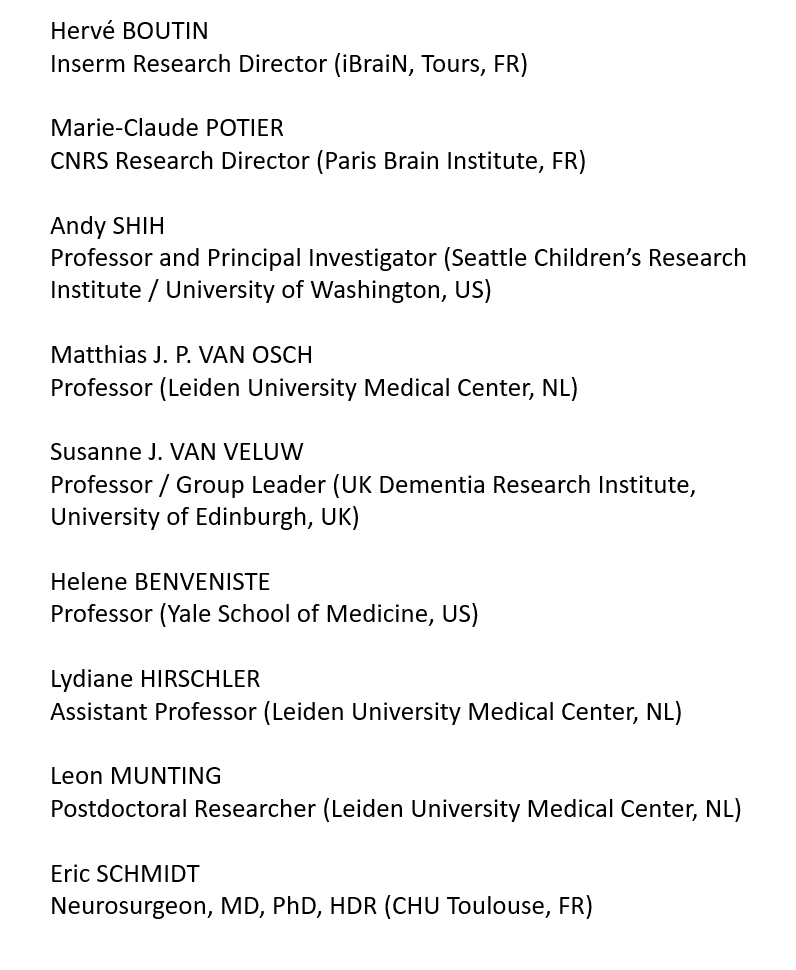
The project brings together a multidisciplinary team of researchers, engineers, clinicians, and technical experts, with complementary expertise in physics, biomechanics, computational modelling, sleep physiology, imaging, biology, and clinical data analysis.Together, these complementary skills allow BrainSomnia to connect theory, experiments, biological research, and clinical sleep studies.
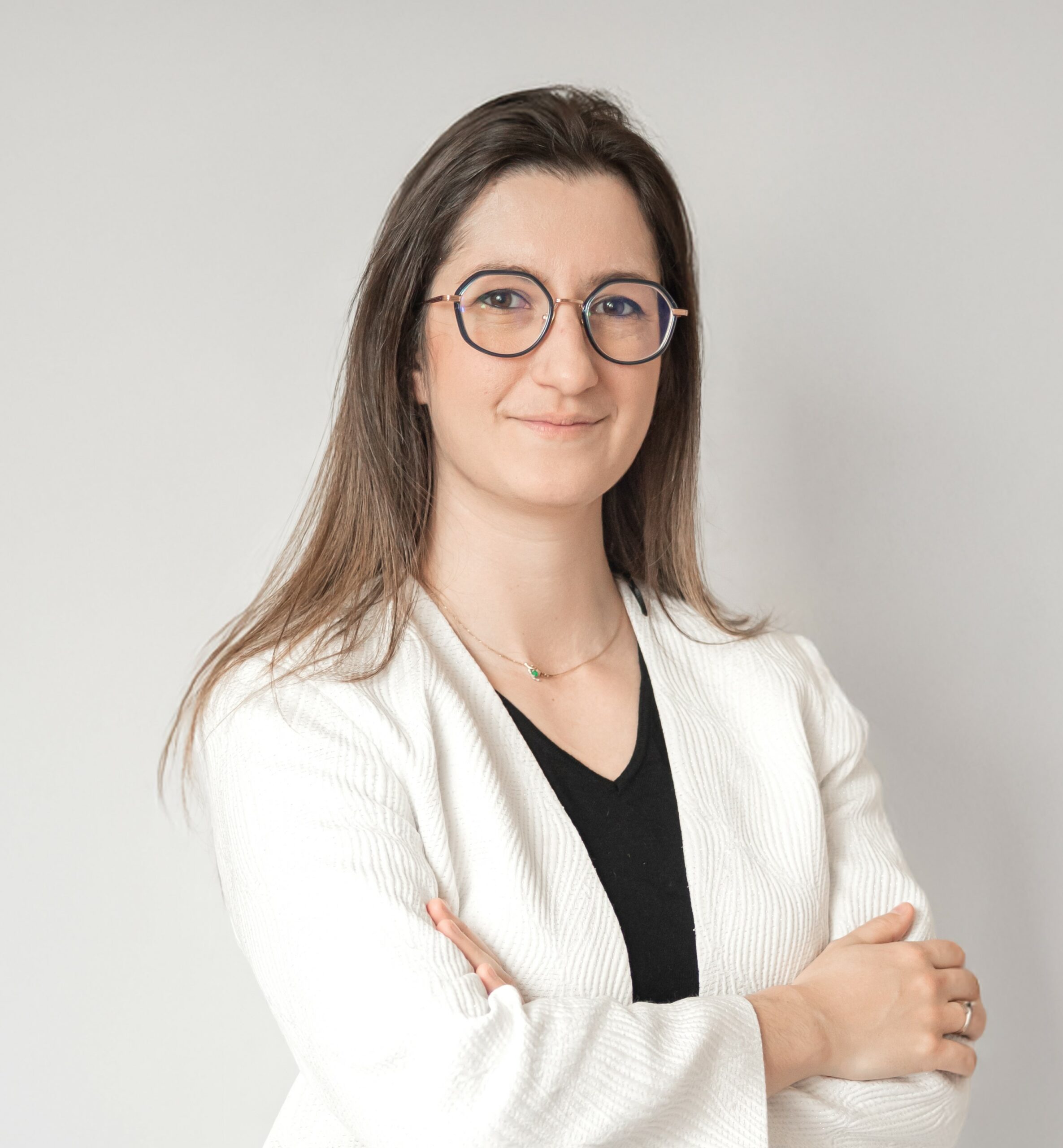
A physicist by training, she develops mathematical and computational models to understand how mechanical forces shape brain physiology. Her research bridges physics, engineering, neuroscience, and clinical data, with a focus on brain pulsations, cerebrospinal fluid dynamics, and neurodegenerative diseases. Through BrainSomnia, she aims to uncover how vascular pulsations during sleep may help protect the brain.